About Places in Japan
Data-backed inspiration for every meal, stay, and stroll across Japan

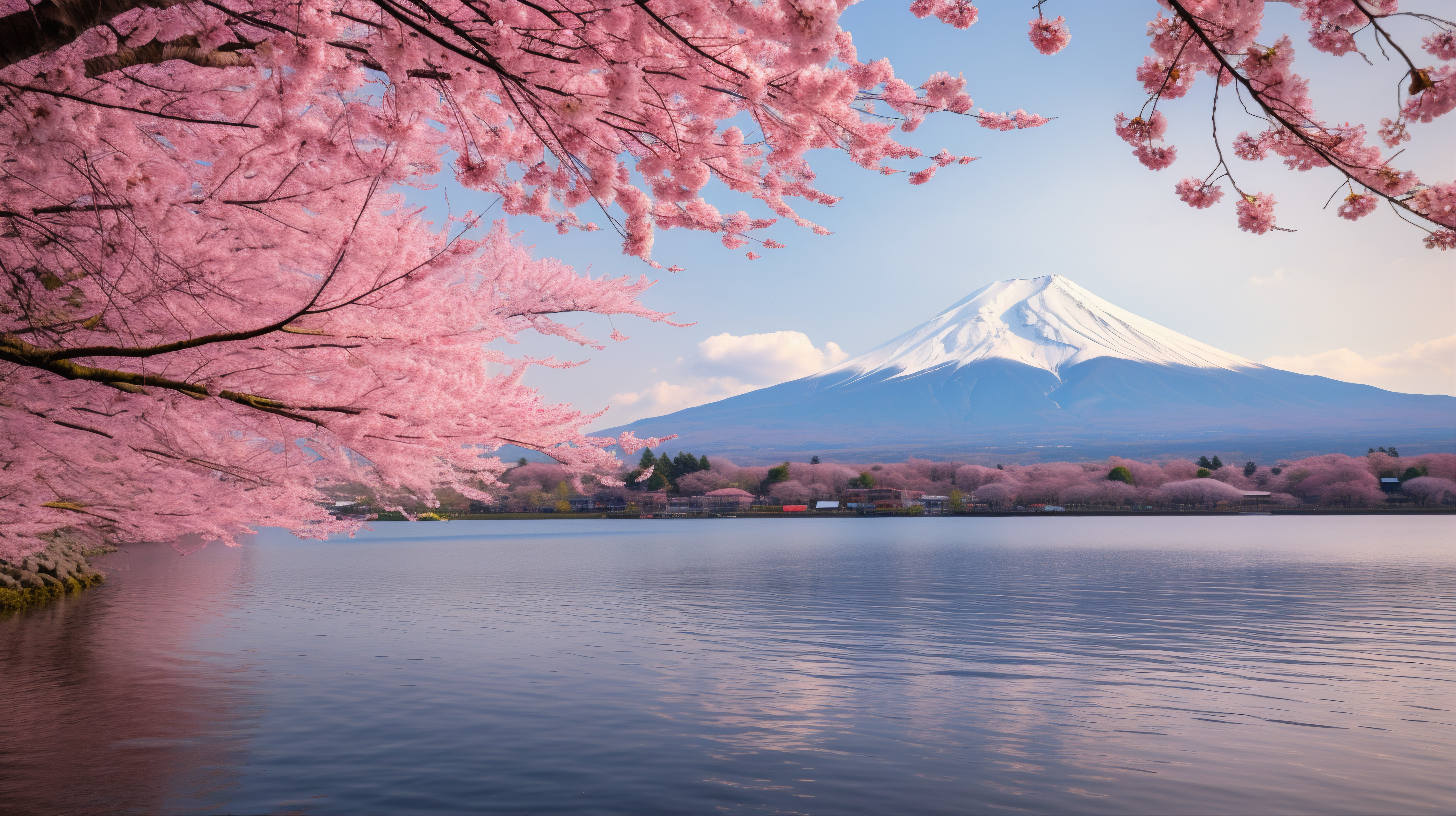
Places in Japan grew out of the travel chaos that surrounded our own rail loops. We spent nights juggling booking engines, translation tabs, and half-finished blog notes just to compare a handful of ryokan. The platform replaces that noise with one calm surface that feels like a friendly local guiding you around the country. Every filter mirrors a real traveler request so you can sort by price, opening year, nearby stations, or Michelin-level prestige without second guessing the results.
Because the information stays consistent from card to card, the homepage automatically highlights new stays opening in 2025, budget restaurants under one thousand yen, or hotels with private onsen rooms. That consistency builds trust for first timers mapping out a rail loop, returning visitors chasing foliage, and locals who simply want a reliable place to eat near the station they pass each day.
Our accommodation index covers more than one hundred thousand stays ranging from design domes in Hokkaido to machiya restorations in Kyoto, boutique seaside ryokan, contemporary business hotels, and pet-friendly cabins tucked in Shikoku forests. The hotels experience layers these stays onto responsive maps plus a clear sidebar so you can mix and match price, rating, opening year, amenities, or even terrain. The newest openings and highest rated gems float to the top automatically so the catalog feels fresh even if you stop by every week.
Behind the scenes our editors double check descriptions, flag outdated addresses, and keep the tone conversational. Clicking into any stay tells you the nearest station, available activities, and whether there is space for a family of four. Locals can filter for quick weekend escapes by selecting a prefecture and price ceiling while long haul visitors can bookmark future dream stays. Places in Japan does the heavy lifting so you can focus on choosing the mood of your trip instead of decoding booking jargon.
Restaurants inherit the same care. We reference trusted Japanese sources, attach station notes, mention smoking policies, and track every budget band so you can understand the vibe at a glance. That lets us populate the homepage blocks for high end culinary destinations, mid range staples, and cheerful budget restaurants without recommending venues that feel unfinished. When you filter for dinners under one hundred yen you are seeing venues sorted by actual price ranges, not guesses.
People already living in Japan lean on these cards to plan casual nights out around station transfers, while travelers can mix fine dining kaiseki reservations with late night ramen haunts. Each restaurant entry highlights stations, smoking rules, reservation tips, and tiny snippets from the original page so you know whether the place leans toward wagashi, cocktails, or charcoal grilled yakitori.
Places in Japan is also a publishing platform. Our writers choose topics from reader requests, visit the neighborhoods they describe, and collect practical details like opening hours, festival dates, and quiet corners. Blogs live at /blog/ and are linked to the stays and restaurants nearby so you can transition from idea to itinerary without leaving the site.
Unlike generic travel blogs, our articles are stitched directly to the listings you see elsewhere. When a guide references Nishiki Market the slug, hero image alt text, and recommended restaurants all use the same names you will find in the filters. Each article goes through a human proofread so spacing, tone, and pacing feel natural.
Planning can only do so much, so we designed features for travelers already standing in Japan. The homepage hero combines a video banner with a Google Maps fallback in your device language, letting you explore neighborhoods around your hotel. The wishlist context lets you save ryokan for a future anniversary trip, while the budget-restaurant carousel now favors listings with actual rating data so you can grab a reliable lunch between museum visits. Because our filters rely on plain query parameters, you can share URLs such as placesinjapan.com/restaurants?budgetMax=100 with friends and compare suggestions instantly.
Residents use the same workflows to organize day trips or monitor new openings. Visit weekly and the 'New stays' section will repopulate itself with properties whose yearOpened field matches the current or upcoming year, giving you first dibs on boutique hotels and camping pods before they flood social media. As our dataset grows we will extend the logic to seasonal pop-ups, onsen renovations, and coworking-friendly cafes.
Reliable travel information is only as good as the humans who maintain it. Our small team of researchers, editors, and photographers reviews every update, respects the original sources, and double checks that each hero image matches the neighborhood it claims to show. When we retire older projects we archive both the assets and the lessons they taught us so future work stays thoughtful.
Community feedback shapes the roadmap too. You can request new filters, flag outdated contact numbers, or suggest blog topics directly from the footer contact links. Because the code and the stories live side by side we can patch the UI, refresh data, and publish a new guide quickly. That nimble approach helps us support travelers with dietary restrictions, accessibility needs, or last minute itinerary pivots, and it keeps Places in Japan aligned with the real questions people ask before stepping onto a Shinkansen platform.